Tasting wine involves observing, smelling, and analyzing it systematically. Examining the color, aromas, and taste allows you to identify objective characteristics regarding a wine’s origin, vintage, and production method.
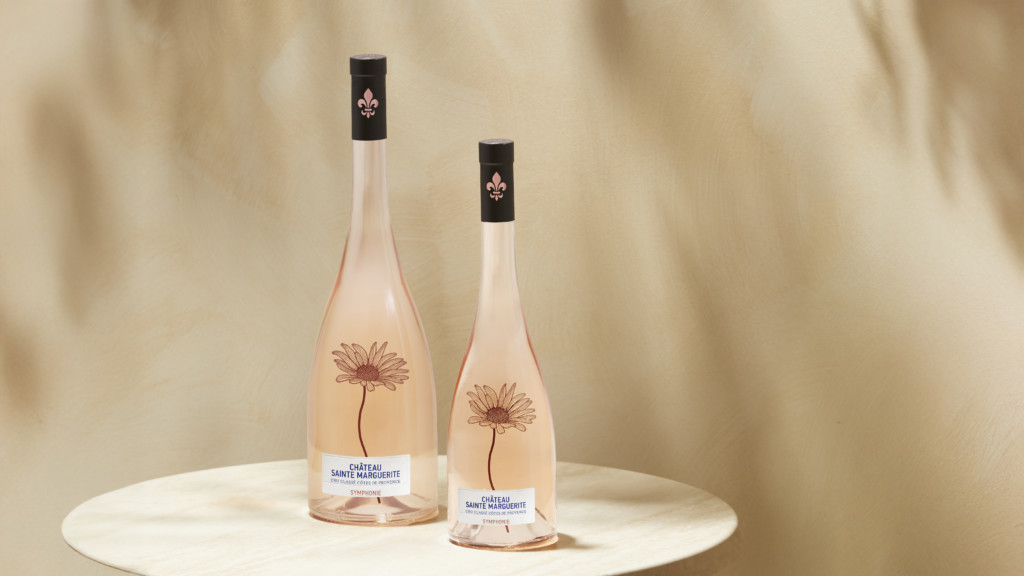
Visit Château Sainte Marguerite, each vintage reflects a specific terroir and winemaking expertise. Here is a practical guide to systematically describing each stage of the tasting, from visual examination to analysis on the palate.
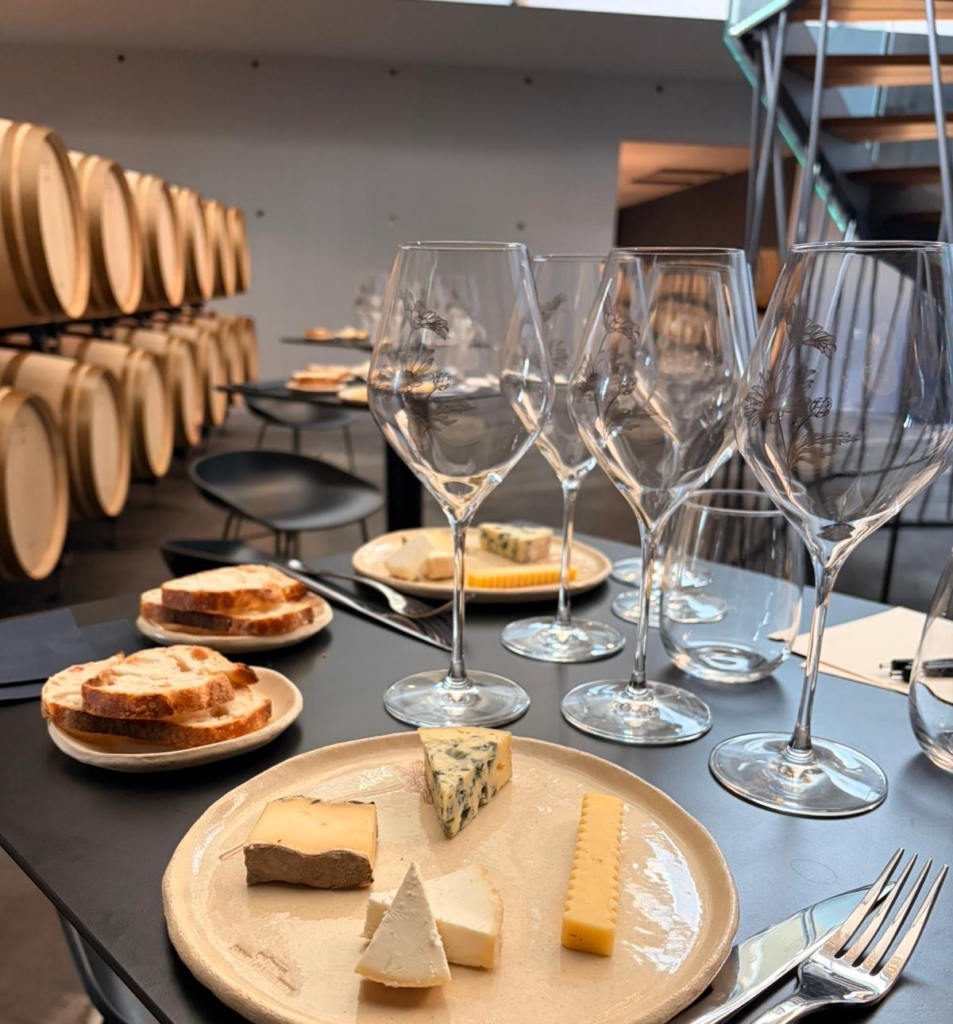
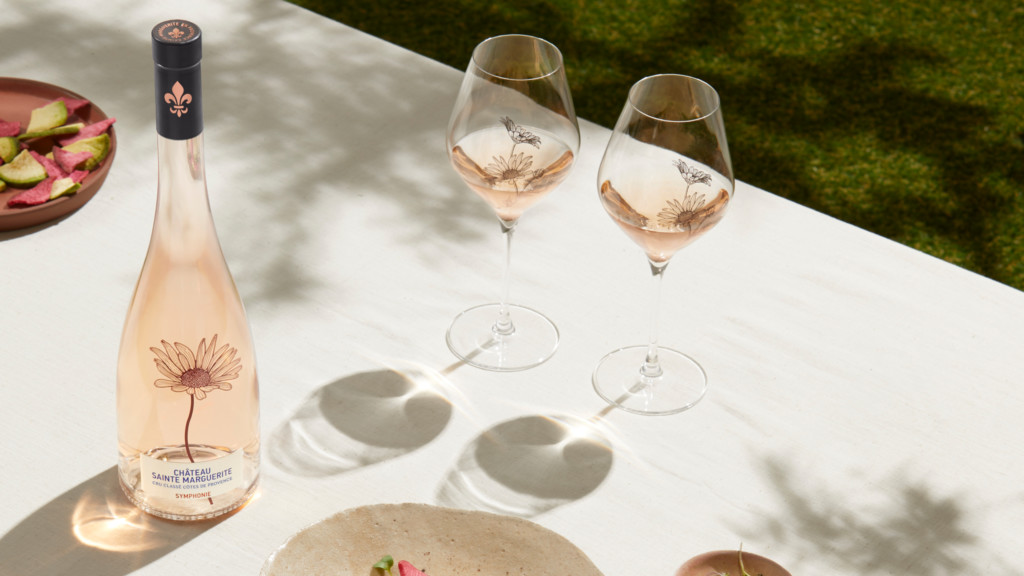
Preparation — A neutral, well-lit setting, a tulip-shaped glass, and the proper serving temperature (8–12 °C for rosés and whites, 14–18 °C for reds).
Visual Inspection — Tilt the glass over a white background to observe the clarity, color, and appearance of the tears on the sides.
The Olfactory Test — First, smell the wine without swirling the glass (initial nose), then swirl it to identify the primary, secondary, or tertiary aromas (second nose).
Taste Analysis — We evaluate the initial taste, the balance on the palate (acidity, smoothness, tannins), and the length of the finish.
The immediate environment influences sensory perception. A room with natural light and no distracting odors (such as perfume, cooking, or tobacco) is recommended for the exercise.
The choice of glass also has technical implications: a stemmed glass, which tapers slightly toward the top, limits the liquid’s warming by the hand and concentrates the aromatic compounds.
Serving temperature affects the perception of acidity and alcohol. A rosé or white wine from Provence is generally served between 8 and 12 °C; a red wine, between 14 and 18 °C, which affects the perception of tannins.
Aerating or decanting: two different techniques. Decanting involves pouring a young wine into a wide-bodied decanter to aerate it, which changes the perception of its aromas and structure. Decanting is used for older wines: the wine is transferred to a narrow decanter to separate the liquid from the sediment, while minimizing exposure to oxygen.
Tilt the glass at an angle of about 45° above a white surface to observe the color.
Color. It provides information on the winemaking process. A Provence rosé ranges in color from very pale pink (with hints of peach, melon, and rose petals) to deeper shades. A light color is generally associated with low-temperature winemaking and direct pressing, which limits color extraction.
Clarity. A clear wine reflects light evenly, indicating good acidity and the absence of cloudiness.
Tears. When you swirl the wine in a circular motion, you can see streaks of liquid running down the sides of the glass. Their thickness and flow rate provide information about the wine’s alcohol or glycerol content.
The sense of smell allows us to identify a wine’s aromatic profile in two steps.
The First Nose : You smell the wine without swirling the glass, which allows you to check for any defects and identify the most volatile aromas.
The Second Nose : Swirl the glass to aerate the wine, which brings out additional aromas.
Aromas fall into three categories:
In Provence, Grenache is associated with notes of strawberry, raspberry, and citrus; Syrah contributes notes of violet and black berries. The Symphonie cuvée from Château Sainte Marguerite thus offers an aromatic profile that combines white-fleshed fruits and citrus.
Take a small amount of wine into your mouth, drawing in a little air to carry the aromas to your nose through retro-olfaction.
The Attack : initial impression on the palate, which varies depending on the acidity and alcohol content.
The mid-palate : For a rosé or a white wine, we look for a balance between acidity and smoothness. For a red wine, we assess the texture of the tannins (full-bodied, integrated, silky).
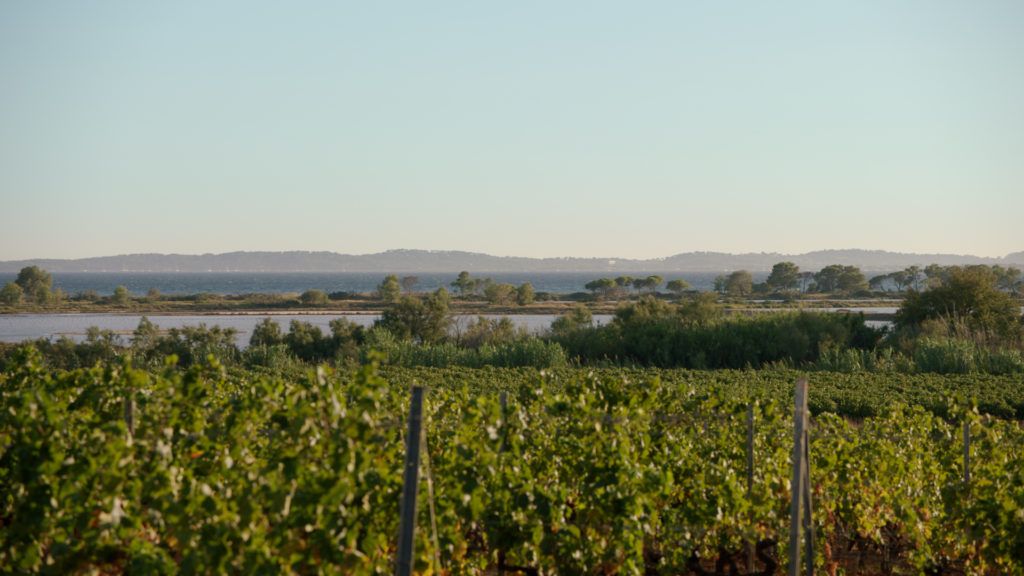
The coastal terroir of La Londe, composed of schist and quartz soils near the Mediterranean Sea, is characterized by a distinctive mineral character. The Fantastique cuvée thus features a structure marked by a salty note on the finish, reflecting its maritime terroir.
The Final and the Caudalies : the final corresponds to to perceived sensations after the tasting. Its duration is measured in caudalies (1 caudalie = 1 second).
These steps provide a method for analysis. Regular practice helps refine one’s ability to identify a wine’s characteristics and recognize the distinctive qualities of a terroir.