When tasting a rosé, we notice its color, its freshness, and its aromas. Yet it is, above all, the winemaking method that shapes its style. Direct pressing, saignée, or maceration: these three techniques all start with the same grapes, but result in very different wines.
Direct pressing is the signature method for Provence rosés. The grapes are gently pressed as soon as they arrive at the winery, just as they are for white wine. The juice remains in contact with the skins for only a very short time, resulting in light-colored wines with great aromatic purity.
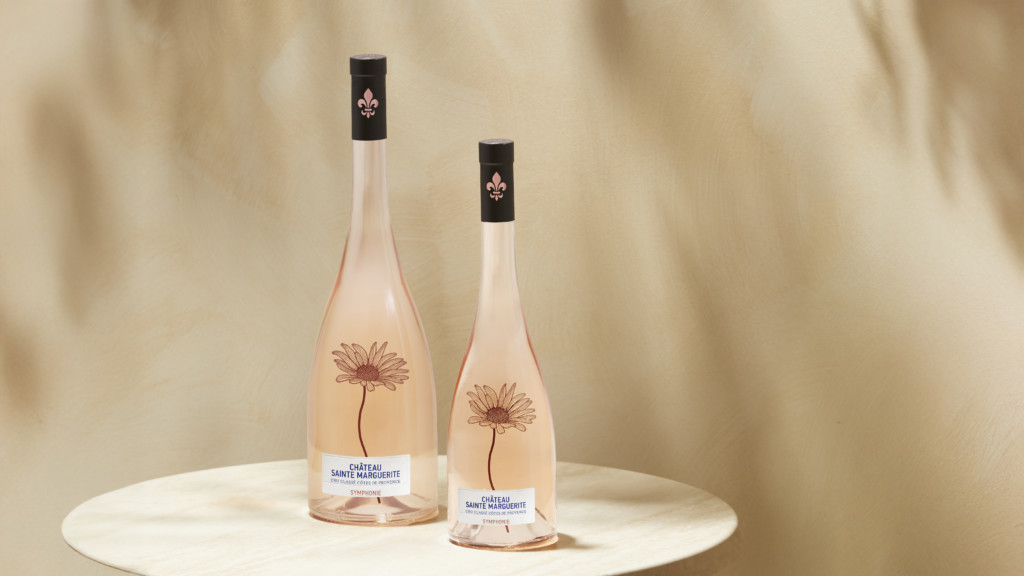
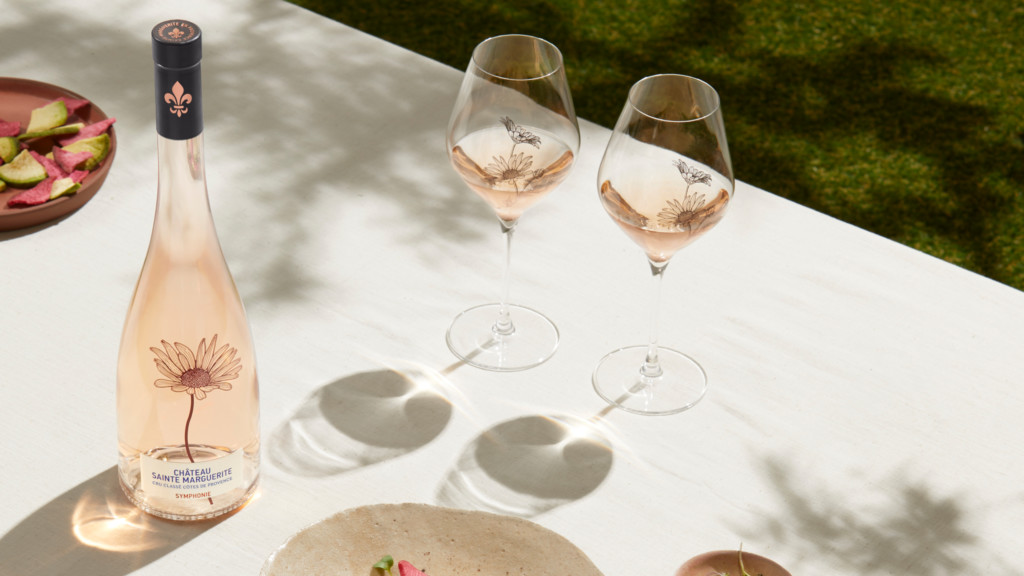
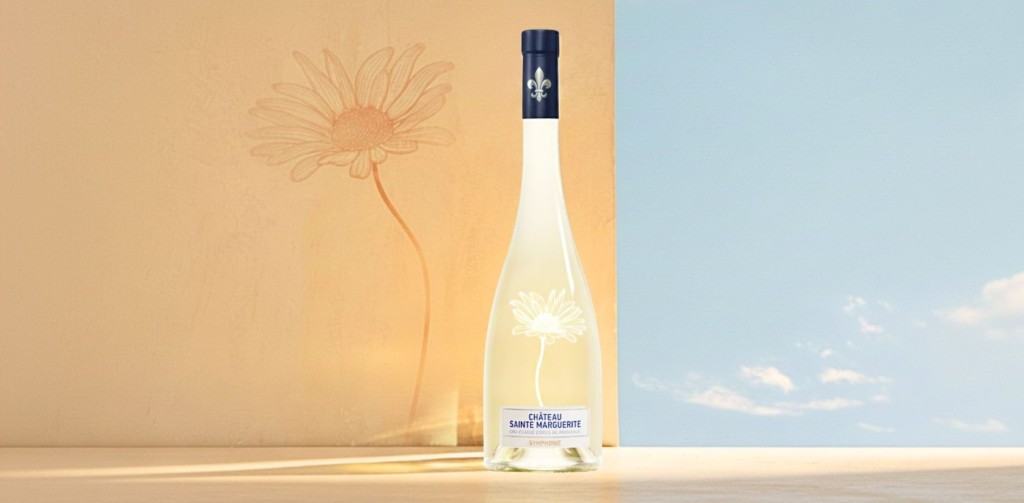
This winemaking process produces fresh, elegant, and refined wines, in which the fruit and terroir are expressed with great delicacy. This is the approach we favor at Château Sainte Marguerite when crafting our wines. Symphonie, Fantastic and Marguerites Collection.
The saignée method begins like red wine production. The grapes macerate with their skins before some of the juice is drawn off to produce a rosé.
This technique generally produces wines that are more deeply colored, richer, and more structured. They pair perfectly with certain meals, but have a different style from Provençal rosés, which are often sought after for their finesse and freshness.
Short maceration falls between these two methods. The grapes remain in contact with their skins for a few hours before being pressed, which adds more aromatic intensity while preserving a lovely freshness.
This technique requires great precision in order to preserve the balance, the purity of the fruit, and the expression of the terroir.
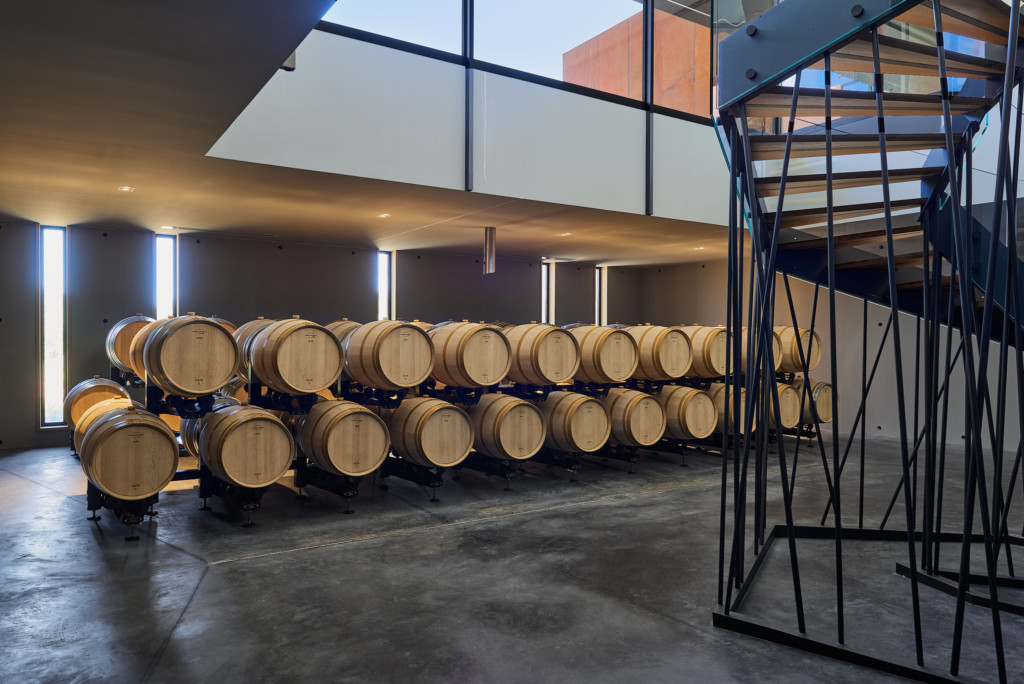
More than just a technical choice, winemaking reflects a vision of wine. At Château Sainte Marguerite, we prioritize methods that bring out the finesse of our grapes, the natural freshness of our wines, and the minerality of our terroirs. It is this pursuit of balance that defines each of our vintages.