Food and Wine Pairings.
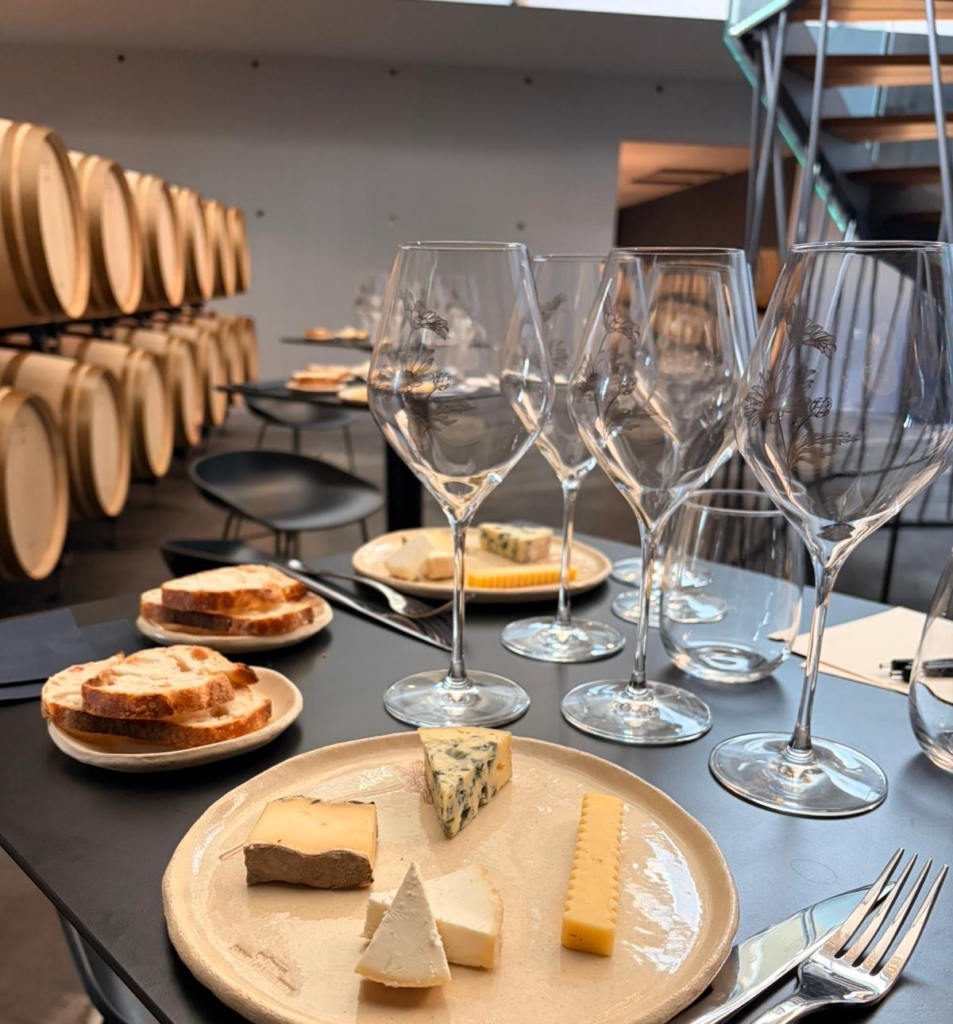
A cheese platter is often thought of as the exclusive domain of red wine. Yet it is one of the most subtle pairing challenges at the table: the fat content, acidity, and degree of ripeness of each cheese call for very different pairings, where rosé and white wines often have much more to offer than reds.
At Château Sainte Marguerite, a Cru Classé in the Côtes de Provence region in La Londe-les-Maures, our signature grape varieties—Grenache, Cinsault, Syrah, and Rolle—are used to produce rosé, white, and red wines, all of which are certified organic and vegan. This diversity of profiles—ranging from the lightest to the most full-bodied—allows us to pair the perfect wine with every type of cheese.
Three criteria guide the creation of a good pairing: the cheese’s intensity, its level of ripeness, and the accompaniments that go with it.
The basic rule is simple: a delicate cheese calls for a delicate wine, and a robust cheese calls for a wine with character.
Fresh cheeses and light pastas
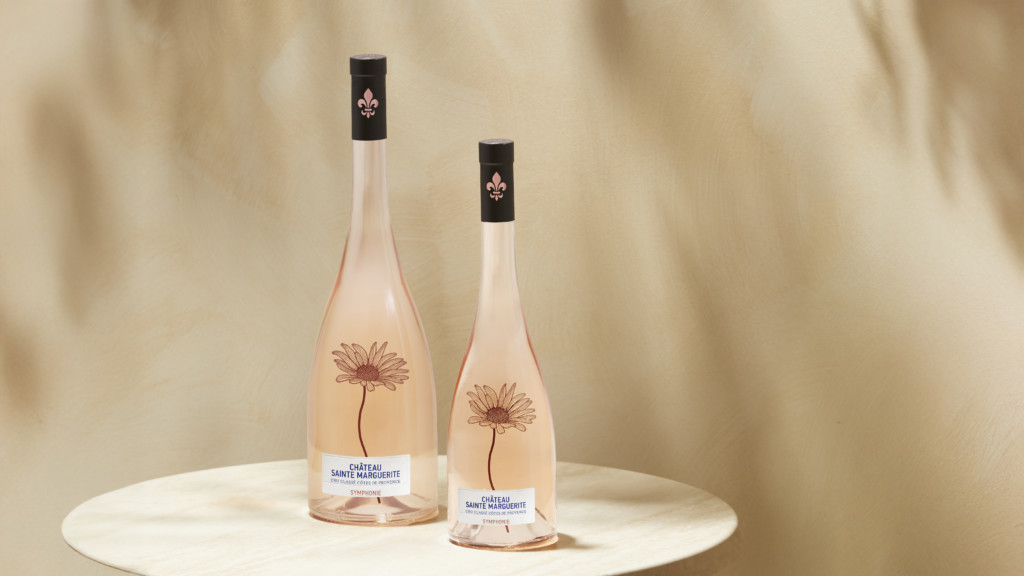
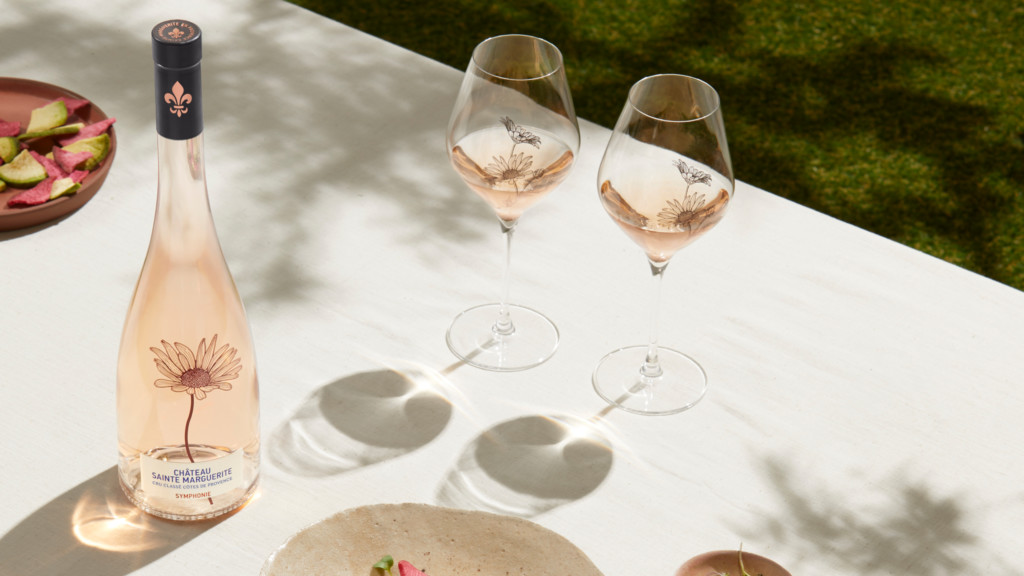
Their lactic acidity and supple texture pair well with lively wines that aren’t overly full-bodied. A matured goat cheese like Mottais sur feuille, with its melt-in-your-mouth texture and notes of hazelnut and forest floor, finds a natural balance with a rosé featuring fresh, fruity aromas, such as the Symphonie Rosé.
Pressed pasta, cooked or uncooked
Their aromas of butter, hazelnut, and dried fruit call for full-bodied wines. A Comté aged for about a dozen months, for example, comes into its own with a full-bodied, barrel-aged white wine like the Fantastique Blanc, whose notes of white-fleshed fruits and pineapple highlight the cheese’s roundness. A Saint-Nectaire, which is creamier and has a slight hint of the forest floor, calls for a supple red with mellow tannins, such as the Fantastic Red.
Distinctive cheeses and cave-aged cheeses
Their aromatic intensity and concentration call for a wine with real body. A crystal-clear, cave-aged cheese like Kaltbach, or a tomme with a floral, white-mold rind, finds a worthy pairing in a more structured gourmet rosé, such as the Collection Marguerites Rosé.
The same cheese takes on a completely different character depending on its degree of ripeness, and the wine must reflect this evolution.
Young cheese
The paste has a milky, tangy flavor and still feels fresh on the palate. It pairs naturally with a lively wine that isn't too full-bodied.
Semi-aged cheese
The aromas develop, and the texture softens—this is the profile of a 12-month-old Comté or a Saint-Nectaire, which call for a round wine (a barrel-aged white) or a supple, fruity wine (a red with mellow tannins).
Long-aged cheese
The paste becomes more concentrated and robust, and sometimes even crystallizes, much like a cave-aged cheese. This calls for a wine with enough body to hold its own, such as a more structured gourmet rosé.
Bread, dried fruit, honey, or jam are never insignificant on a cheese platter: they can completely change the direction of the pairing. With a cheese that has a floral or flowery texture, for example, a wine that itself has a rich aromatic profile will enhance that delicacy rather than clash with it.
Follow the hierarchy of intensities:
Avoid pairing a wine that's too light with a mature cheese, and conversely, avoid pairing a wine that's too full-bodied with a fresh cheese.
Monitoring the aging process:
The more concentrated the must, the more body and length the wine must have.
Use side dishes as flavor bridges.
Dare to Make Exceptions:
The same full-bodied wine can sometimes pair well with two very different cheeses, as long as it has the necessary depth to complement each one.
From the fruity Symphonie rosé to the fuller-bodied, food-friendly Collection Marguerites rosé, and including the barrel-aged Fantastique white and the spicy Fantastique red, the Château Sainte Marguerite lineup—ranging from rosé to red—offers a variety of wines perfect for creating well-balanced food and wine pairings.