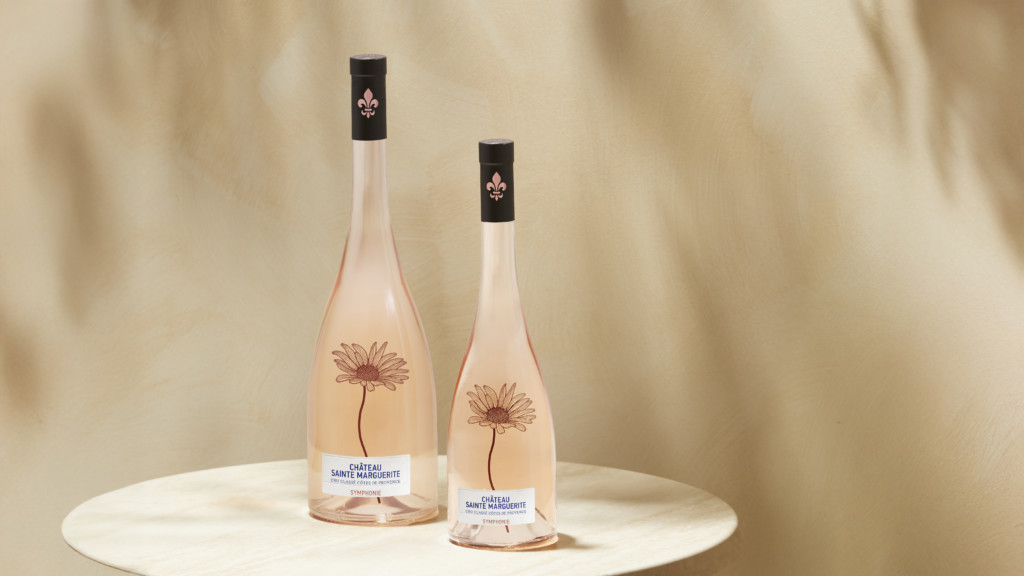
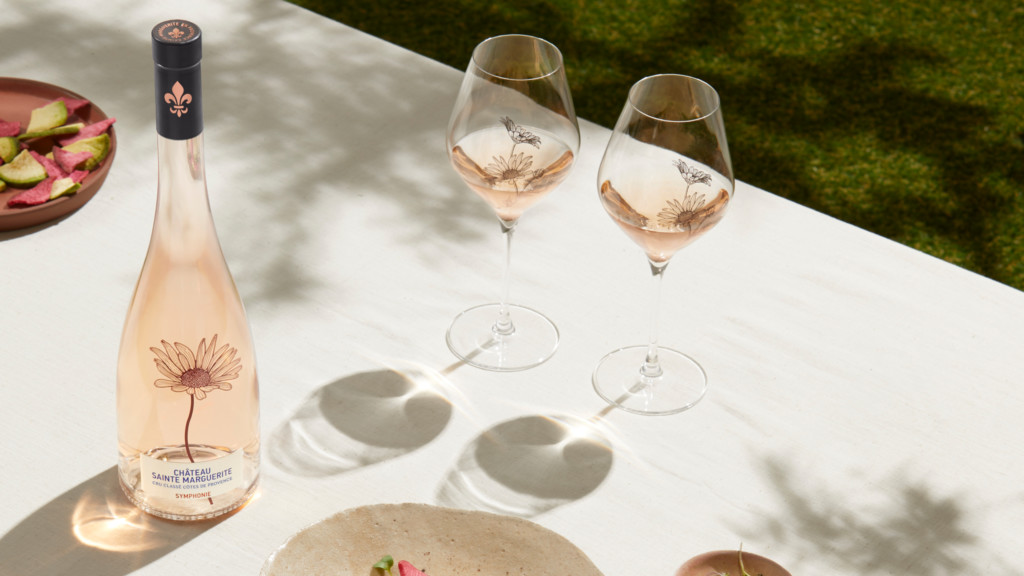
In the Mediterranean climate of La Londe-les-Maures, the vines follow a meticulously precise natural cycle. At Château Sainte Marguerite, each step is a quest for balance, resulting in our Crus Classés rosés, characterized by finesse and a briny edge.
Starting in December, the vines enter dormancy. This is the crucial pruning period, when our winemakers shape the future vintage. At the Château, we place great importance on mass selection: rather than replanting industrial clones, we propagate our oldest, highest-quality vines. Preserving our genetic heritage ensures the aromatic complexity and unique identity of our wines.
In March, budbreak signals the return of sap flow. In Provence, the Mistral acts as a natural protector at this time, drying out the vines after the spring rains. Toward the end of May, flowering begins. This is a stage that requires great precision: the weather at this time determines the number of berries and, by extension, the concentration of our future juices.
In June, fruit set transforms the flowers into grapes. Under the blazing sun of the French Riviera, our schist and quartz soils maintain the essential coolness beneath the surface. In August, veraison brings about a change in the berries« color. For our rosés, this phase is closely monitored: we seek perfect phenolic ripeness without ever sacrificing the lively acidity that defines the »Sainte Marguerite” style.
The highlight of the cycle. At the Château, the choice of date is strategic. We often harvest during the coolest hours of the night to preserve the pale color and aromatic precursors of our Grenache and Cinsault grapes. It is here that a year’s work comes together in a perfect balance between freshness and elegance.
After the harvest, the vine doesn’t come to an abrupt halt. In October, the leaves turn brown and transfer their last reserves to the wood and roots. This process of storing reserves is vital: it ensures the vine’s vigor for the next growing cycle. Once the leaves have fallen in November, the cycle comes full circle, allowing the soil to regenerate under the watchful eye of our teams.