We often hear that rosé should be drunk quickly, almost within a year of the harvest. This is true of many Provençal wines, designed for their freshness, lightness and brightness of fruit. But it's not an absolute rule. Depending on terroir, wine style and vintage, some rosés can evolve elegantly, revealing new nuances over time, without losing their character.
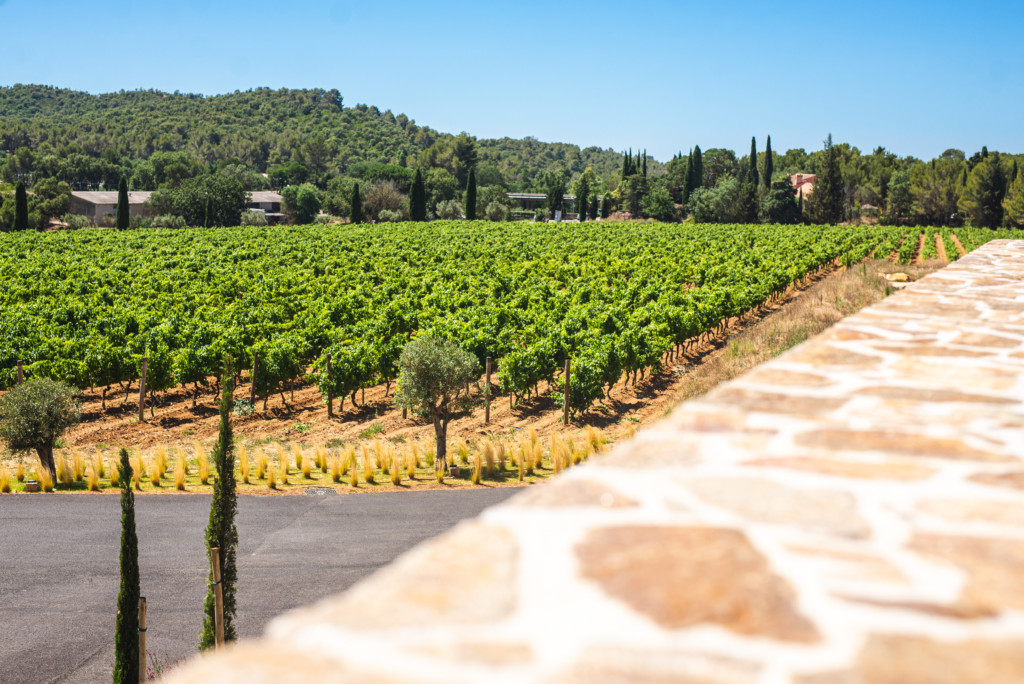
At Château Sainte Marguerite, our vineyards stretch over a wide variety of soils micashist, schist, limestone, clay and flint chips. Each parcel brings its own personality to the wine. The schist and micashist soils produce taut, delicate wines, the limestone brings freshness and minerality, the clay favors grape concentration, and the flint chips ensure even ripening. Combined with our grape varieties - Rolle, Grenache, Syrah and Cinsault - these terroirs give our rosés a subtle balance and a unique signature.
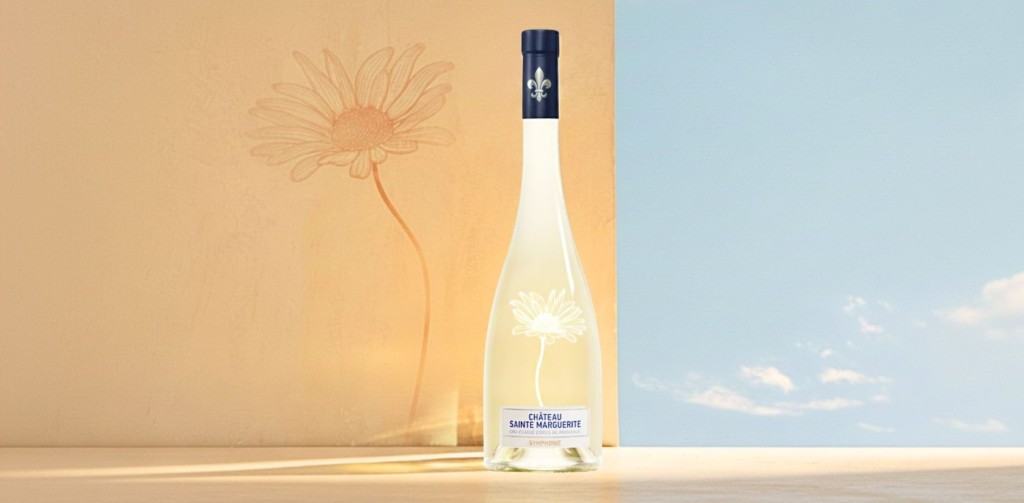
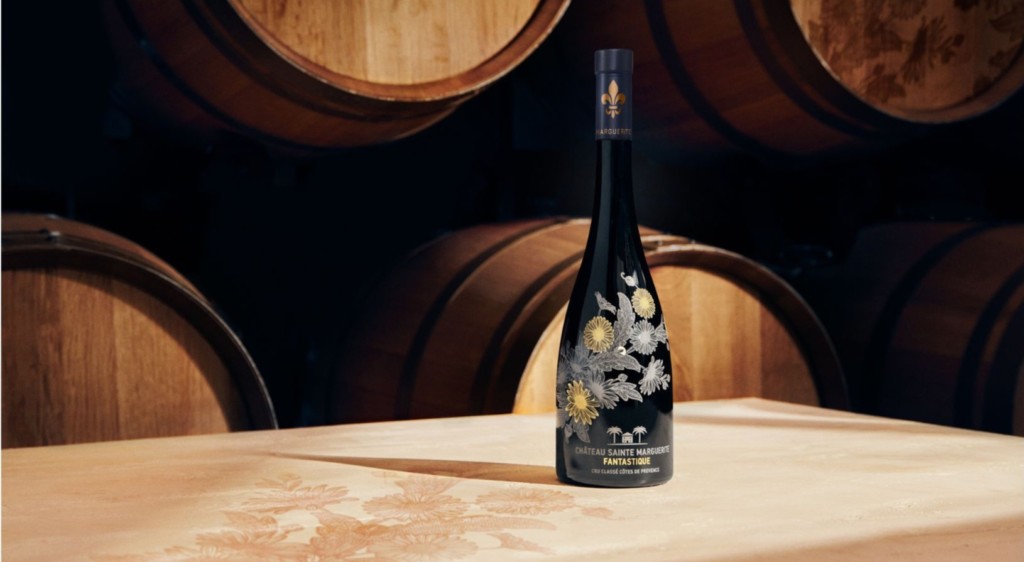
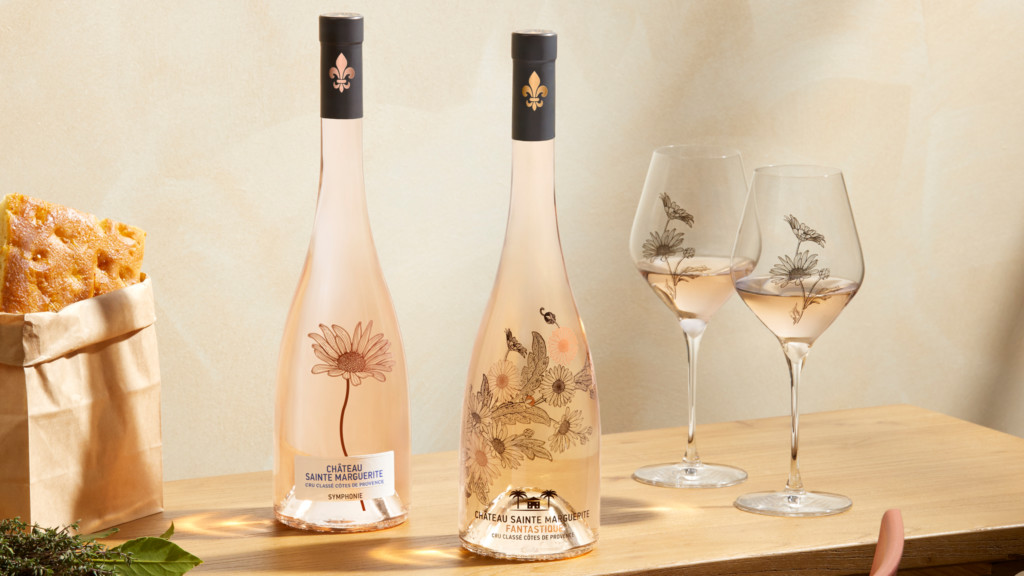
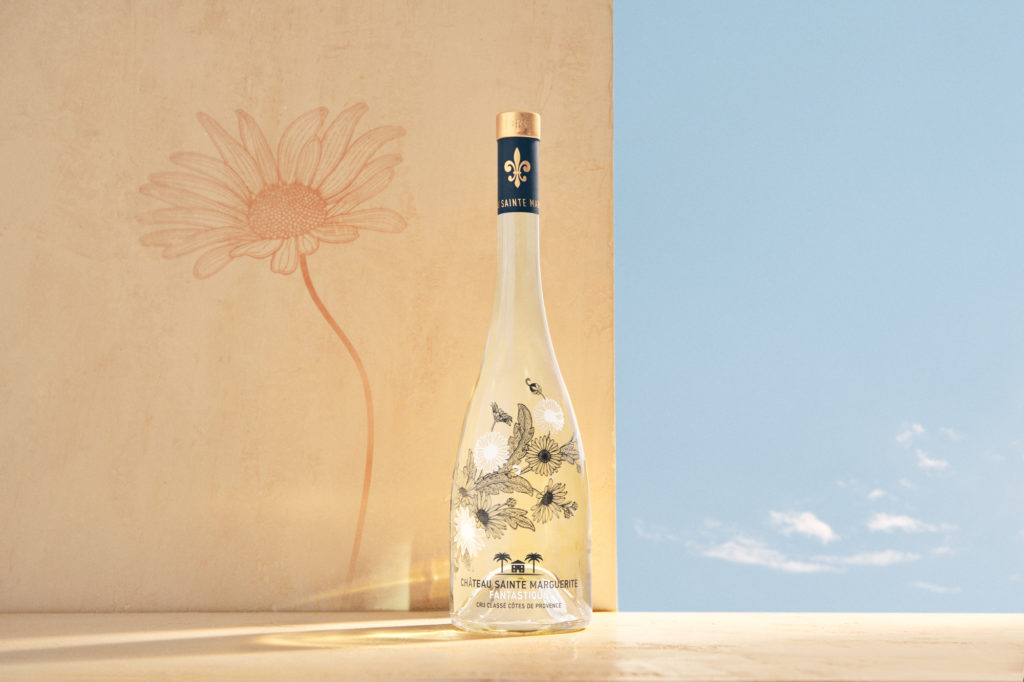
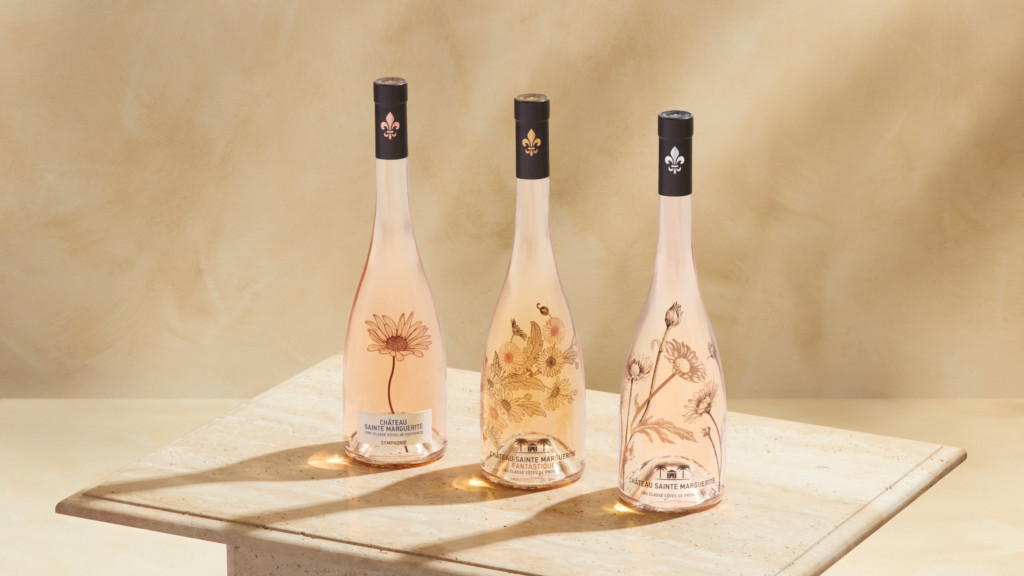
Some cuvées, such as Symphonie, Some of these wines are designed to be enjoyed young, when freshness and fruit aromas are at their peak. Others, like The Fantastic and Marguerites Collection, They can be enjoyed young, but they also possess the structure and minerality needed to evolve over several years.
Over time, their fresh fruit aromas are transformed into notes of candied citrus, dried flowers and saline, and the palate gains in roundness and harmony. This evolution reveals a more gastronomic dimension, ideal for accompanying refined Mediterranean dishes.
To take full advantage of this ageing process, simply store the wine in good conditions, away from light, in a cool, quiet place with a stable temperature. The refrigerator is not suitable for aging: it preserves freshness but prevents the wine from developing fully.