In the vocabulary of tasting, certain terms intrigue as much as they seduce. Among them, the minerality occupies a special place. Often evoked to describe the freshness and elegance of a wine, it has become a benchmark for connoisseurs in search of precision and authenticity.
But what does minerality really mean in a rosé? ?
In the rosé wines of Côtes-de-Provence AOC, minerality corresponds above all to a Expression of freshness, tension and aromatic purity. It is born of the balance between terroir, grape varieties and the winemaker's know-how.
Unlike fruit or spice aromas, minerality is not an identifiable taste. Rather, it corresponds to an overall impression perceived during tasting.
In a rosé, it often manifests itself as :
This expression contributes to the wine's balance and enhances the aromas while retaining a lovely lightness.
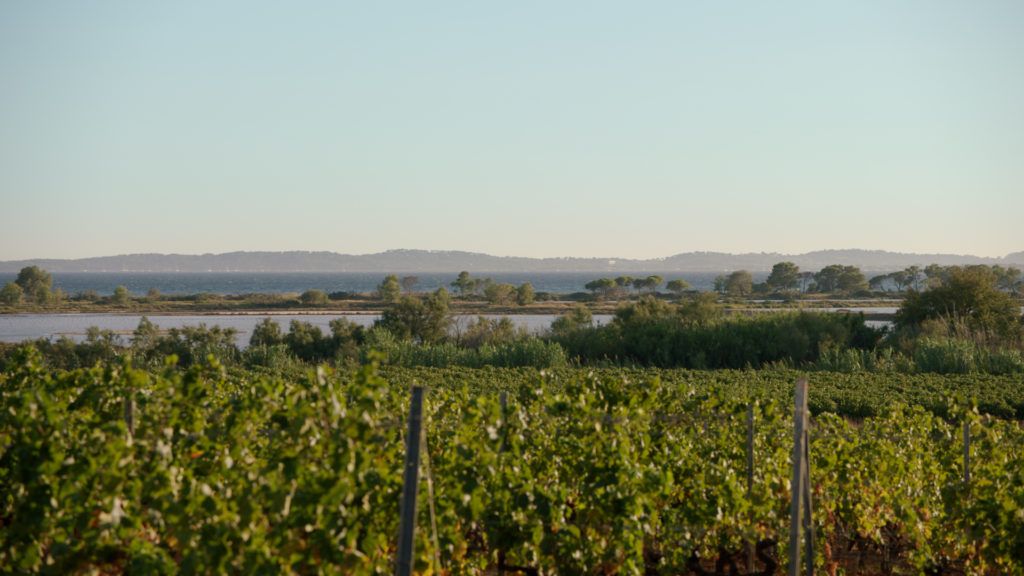
The expression of minerality in a rosé is often linked to terroir. Calcareous or schist soils, and the maritime influences of the Mediterranean climate contribute to the freshness and balance of our wines.
Grape varieties also play an essential role.
Visit Grenache brings generosity and aromatic intensity. Cinsault finesse and delicacy, while the Rolle (Vermentino) contributes to the wine's freshness and precision.
Today, minerality has become a stylistic benchmark for rosés the most sought-after. It reflects a pursuit of elegance and precision.
Visit Château Sainte Marguerite, This quest for balance between fruit, freshness and aromatic precision is part of a vision of rosé where each cuvée expresses the richness and diversity of its terroir.